
Understanding Iowa Landlord-Tenant Laws: Your Essential Guide

Understanding Iowa Landlord-Tenant Laws: Your Essential Guide
Navigating the rental housing scene in Iowa can be complex, especially without a clear grasp of landlord-tenant laws. Whether you're a landlord aiming to manage properties effectively or a tenant protecting your rights, it's crucial to understand these laws. These rules are primarily governed by Iowa's Residential Landlord and Tenant Law, featured in Iowa Code Chapter 562A. This guide breaks down these regulations so landlords and tenants can be informed and fulfill their responsibilities confidently in Iowa.

Essential Rental Laws in Iowa
Knowing the ins and outs of Iowa’s rental laws is vital for staying compliant and minimizing disputes. Iowa Code Chapter 562A covers various aspects of landlord-tenant relations like lease agreements, security deposits, and eviction procedures. Although specifics can differ for mobile homes and transitional housing, core principles generally apply to most rental properties. Iowa doesn’t have rent control, but any rent increase requires a 30-day written notice, giving landlords and tenants adequate time to prepare for changes.
Rights and Responsibilities of Landlords and Tenants
Both landlords and tenants in Iowa have specific rights and responsibilities to promote a smooth rental experience.
For Landlords:
- Inspections and Maintenance: It's crucial for landlords to keep rental units up to standard. Programs like Section 8 often require Housing Quality Standards inspections.
- Evictions: Evicting a tenant requires a court order. It’s illegal for landlords to self-evict by stopping utilities or changing locks.
- Rent Collection: Proper rent collection processes are necessary. Increases must be communicated with a 30-day notice as state law dictates.

For Tenants:
- Habitability: Tenants are entitled to safe and livable conditions. They should report repairs swiftly, and landlords should respond in a timely manner.
- Protection from Retaliation: Tenants cannot be evicted for seeking emergency help, making valid repair requests, or asserting their legal rights.
Common Legal Issues and Solutions
Disputes might arise over issues like rent disagreements or eviction challenges. For example, improper lease terminations are common. Adhering to the notice requirements in lease agreements and state laws is key to avoiding legal issues. For rent disputes, whether related to increases or payments, clear communication and documentation are essential.
Steps to Legally Resolve Conflicts
When disagreements occur, legal pathways are important to explore. Here are steps landlords and tenants should consider:
- Document Everything: Keep detailed records of all communications, payments, and notices.
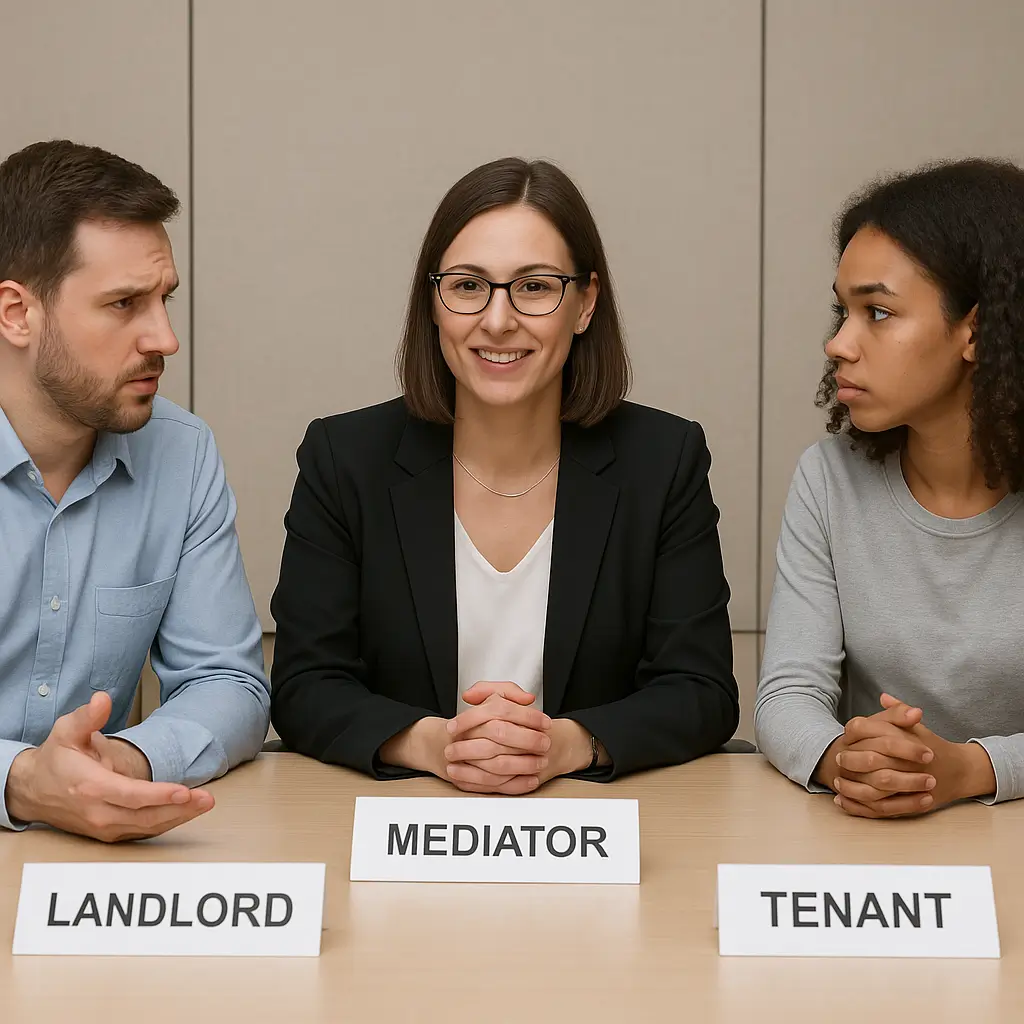
- Seek Mediation: Mediation can resolve issues before they escalate to court.
- Legal Assistance: If disputes are complex, consulting an attorney can be helpful.
- Utilize Small Claims Court: For financial disputes within a certain limit, small claims court provides a straightforward resolution process.
Conclusion
Familiarizing yourself with Iowa’s landlord-tenant laws is key to avoiding disputes and maintaining compliance. By understanding these guidelines, both landlords and tenants can manage rental processes effectively. For landlords seeking professional assistance, Apex Property Management offers expert services to navigate rental property management in Iowa, ensuring a seamless experience.
FAQs
Q: What is the eviction process in Iowa?
A: In Iowa, landlords must secure a court order to evict a tenant. This involves giving proper notice and filing for an eviction hearing if issues remain unresolved.
Q: How should a tenant respond to a landlord's rent increase in Iowa?
A: Landlords must provide tenants with a 30-day written notice for rent increases. If a tenant sees the increase as unfair or against lease terms, they may seek mediation or legal counsel.
Q: What rights do tenants have to repairs in Iowa rental properties?
A: Iowa tenants have the right to safe and habitable conditions. They should inform landlords promptly about repair needs, and landlords are required to address these within a reasonable time.
For expert guidance and reliable property management services in Iowa, consider reaching out to Apex Property Management for personalized support tailored to your needs.