
Navigating Section 8 and Tenant Rights in Cedar Rapids

Navigating Section 8 and Tenant Rights in Cedar Rapids
Introduction: Understanding Section 8 and Tenant Rights in Cedar Rapids
If you're a landlord or tenant in Cedar Rapids, Iowa, it's crucial to know how Section 8 housing and tenant rights work. With more focus than ever on housing compliance, landlords need to grasp the ins and outs of the Housing Choice Voucher Program. This ensures their properties are up to the necessary standards. At the same time, tenants should be aware of their rights, especially when it comes to housing code violations. In this article, we’ll break down the essential information on Section 8 guidelines, tenant rights, and resources you need to maintain a positive rental experience.

Section 8 Housing Compliance for Landlords
Joining the Section 8 program not only expands your potential tenant base but also supports community stability. However, Cedar Rapids landlords must adhere to specific rules:
Obtain a Certificate of Compliance: This vital document confirms that your rental property meets the local Housing Quality Standards. Without it, you can't participate in the Section 8 program.
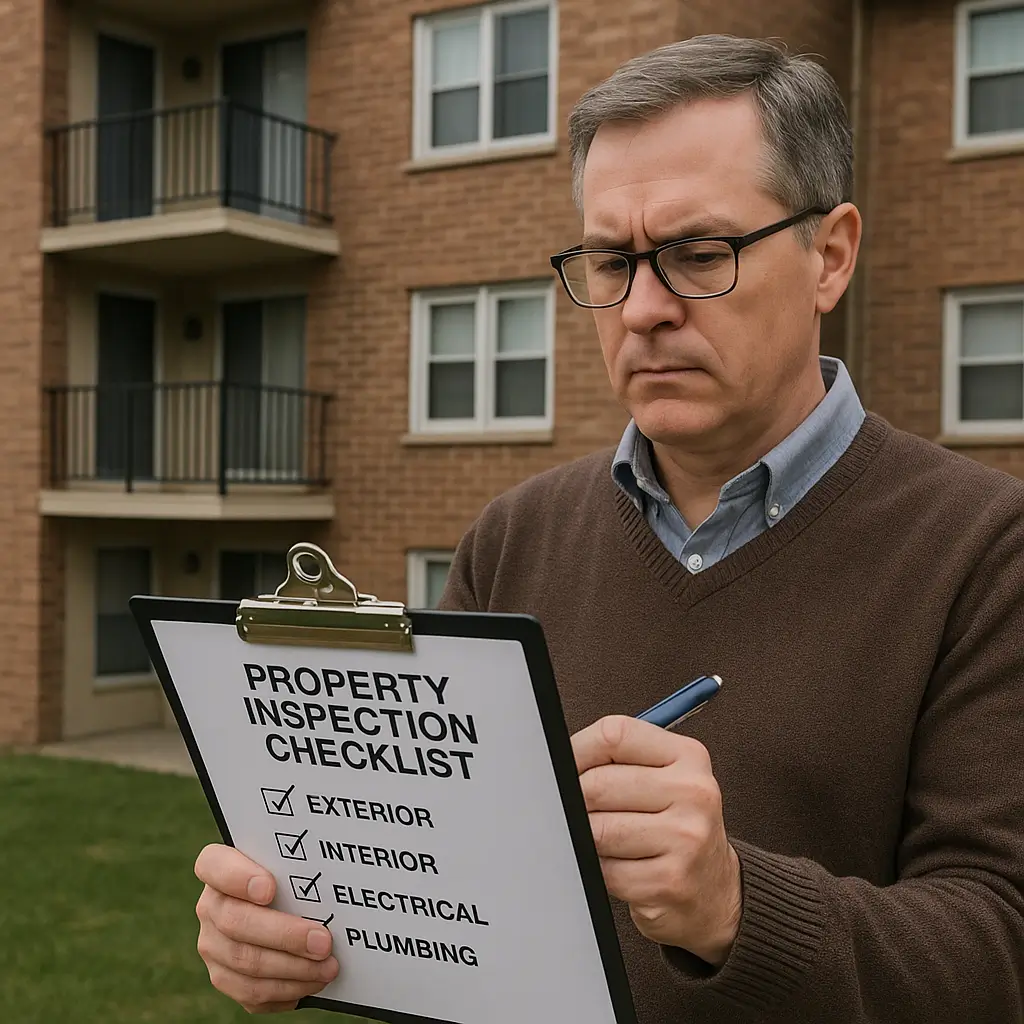
Property Inspections: Before starting a lease and routinely afterward, your property must pass inspections to meet safety and health standards. Regular upkeep and speedy repairs are crucial for successful inspections.
Tenant Screening and Selection: While the housing authority checks tenant eligibility based on income, landlords must conduct their own screening process to ensure they choose the right tenants for their properties.
Legal Protections for Tenants in Cedar Rapids
Tenants must understand their rights to guard against housing violations and secure a safe home environment:
Common Housing Code Violations: Violations can include faulty electrical systems or inadequate heating. Tenants have the right to a quick resolution of such issues and can report violations if landlords fail to comply.
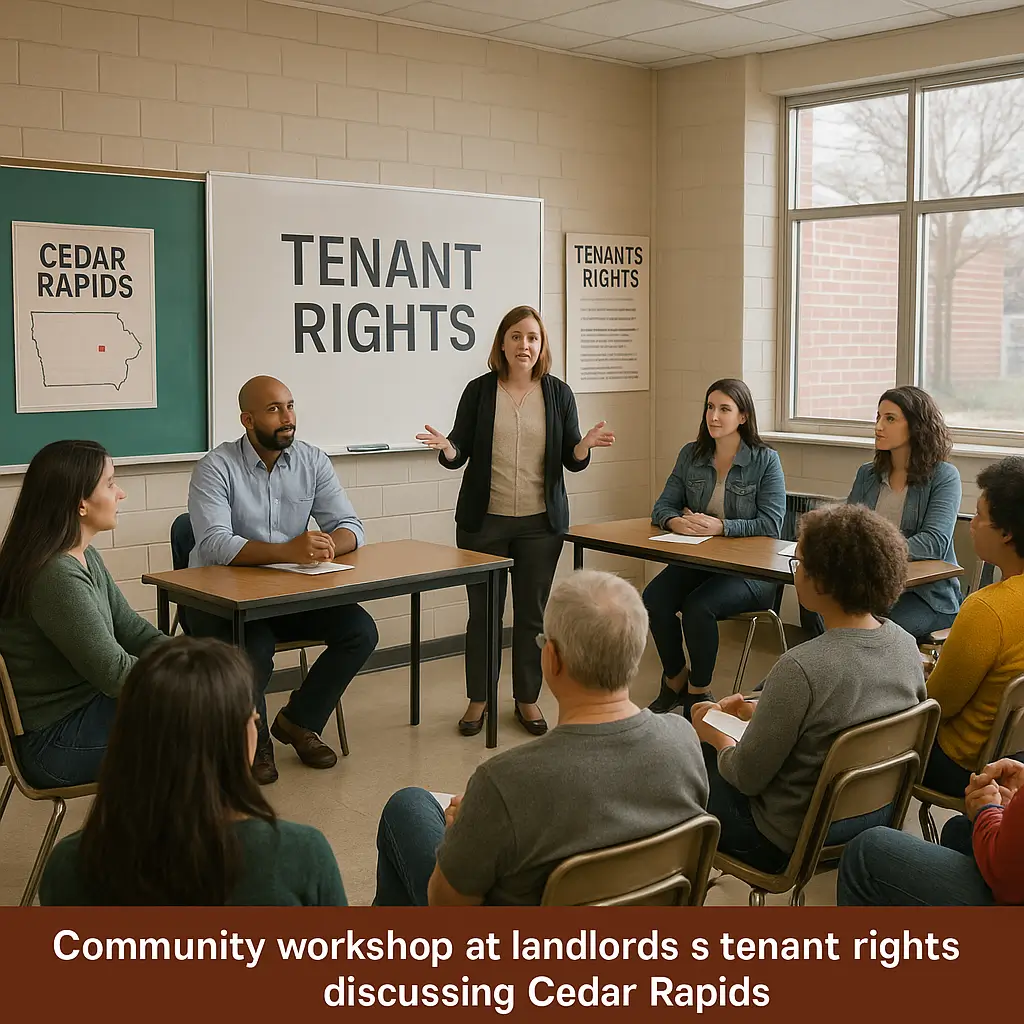
Supportive Resources: Cedar Rapids offers resources like legal aid workshops and sessions by the Oak Hill Jackson Neighborhood Association, helping tenants learn about their legal rights and how to enforce them.
Workshops and Resources: Keeping Landlords and Tenants Informed
Education empowers both landlords and tenants in Cedar Rapids. Various workshops and resources are available to ensure informed and compliant rental practices.
Landlord Workshops: Programs like the Section 8 Landlord Orientation give landlords vital insights into staying compliant and handling tenant relations effectively.
Tenant Resources: Tenants can benefit from community legal workshops that clarify their rights. These sessions offer advice on dealing with negligent landlords and other common issues.
By engaging in these workshops, landlords and tenants can proactively manage potential challenges, ensuring smooth operations and mutual understanding.
Conclusion: The Role of Education in Maintaining Safe Housing
Education plays a vital role in ensuring safe and compliant housing in Cedar Rapids. By joining educational workshops and understanding legal responsibilities, landlords and tenants can create a respectful, law-abiding community. For further help or to explore professional property management in Iowa, consider reaching out to community groups, city housing services, or Apex Property Management.
FAQs
Q: What are the requirements for a property to pass a Section 8 inspection in Cedar Rapids?
A: Properties need to meet Housing Quality Standards, focusing on safety, health, and structure. Keeping up with repairs and eliminating potential hazards are key.
Q: How can tenants report housing violations in Cedar Rapids?
A: Tenants can report violations to the city housing authority or attend a local legal aid workshop for additional assistance and guidance.
Q: What resources are available for landlords to better understand their responsibilities under Section 8?
A: Cedar Rapids provides workshops like the Section 8 Landlord Orientation and various online materials to help landlords with compliance and effective management tactics.
Q: Are tenants protected against eviction if their property doesn’t meet compliance standards?
A: Tenants typically have protections against eviction due to compliance failures that are a landlord’s responsibility. Legal resources and community workshops can offer added support.
Q: How does educational outreach benefit both landlords and tenants in Cedar Rapids?
A: Educational outreach increases awareness, helping both landlords and tenants know their legal duties and rights. This minimizes conflicts and improves living conditions within the community.