
Navigating Rental Housing Requirements and Code Enforcement in Cedar Rapids

Navigating Rental Housing Requirements and Code Enforcement in Cedar Rapids
Introduction: Understanding Cedar Rapids Rental Housing
Cedar Rapids, Iowa, is well-known not only for its beautiful scenery but also for its active rental market. Navigating this market successfully means understanding the local compliance standards and regulations. Whether you're a landlord or considering becoming one, familiarizing yourself with Cedar Rapids' rental housing requirements is key to smooth property management. In this guide, we'll explore vital aspects such as landlord registration, compliance inspections, and handling tenant complaints, equipping you with the knowledge to manage rental property in Iowa effectively.
Landlord Requirements
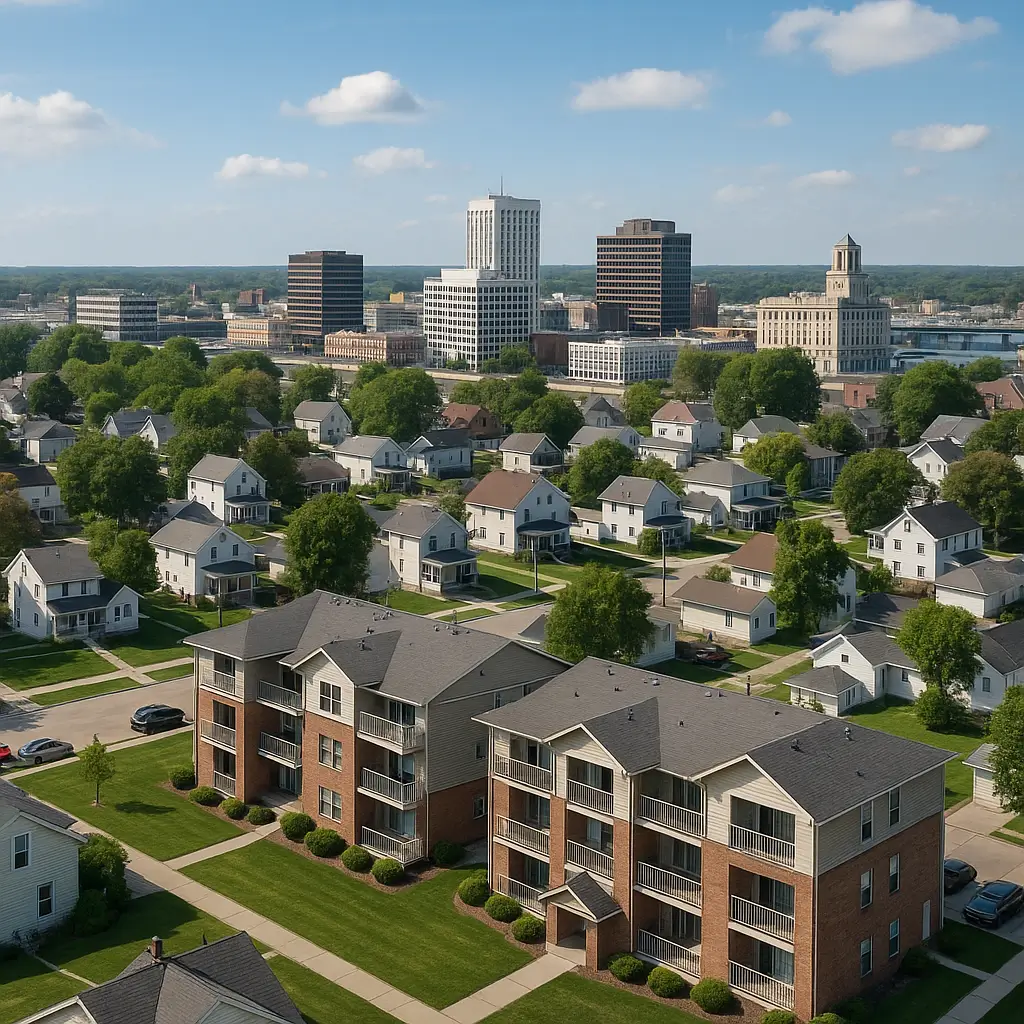
If you want to operate rental properties in Cedar Rapids, you need to follow certain registration processes. First, you should register your rental property and obtain a Landlord Business Permit. This step is critical for ensuring compliance and avoiding penalties. Landlords also need to pay registration fees, which help cover administrative costs of maintaining rental property records and conducting inspections. Grasping these requirements can make your property management tasks much smoother and more efficient.
Compliance and Inspections
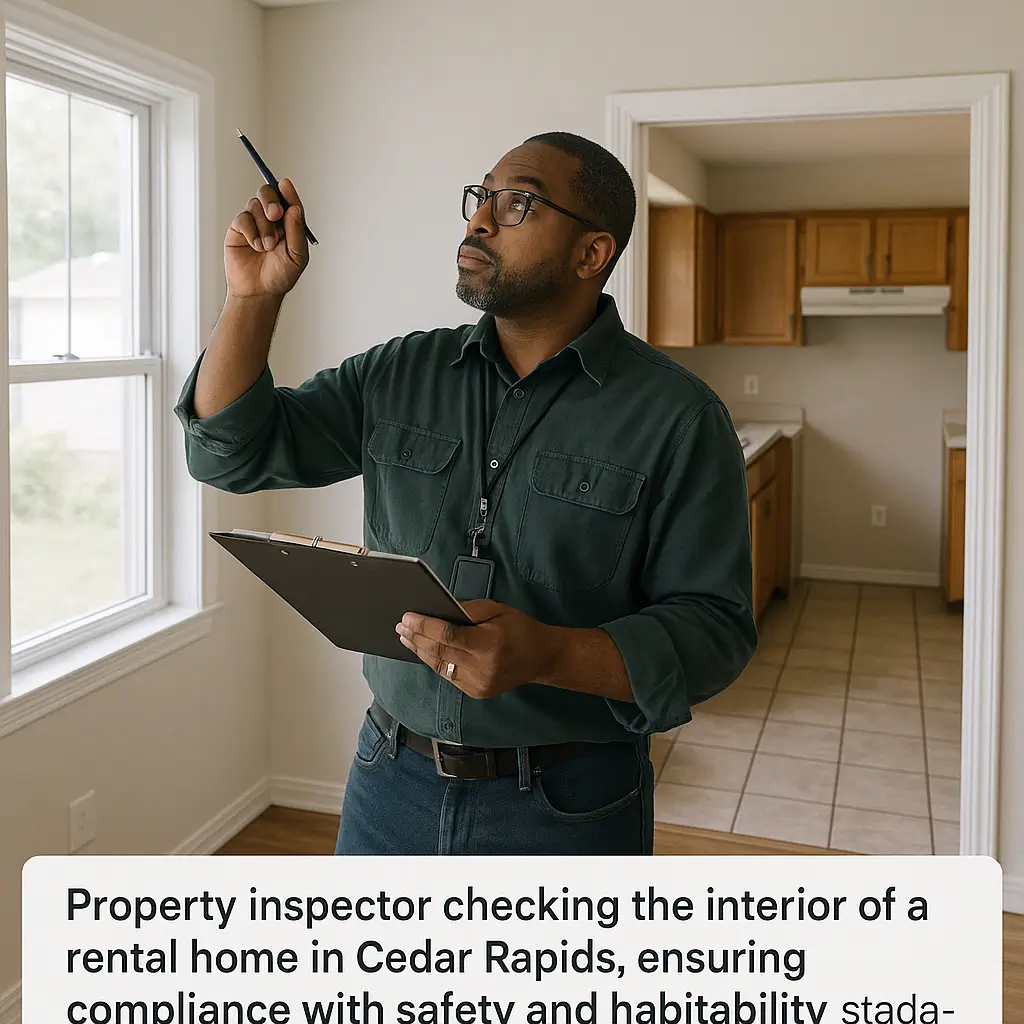
Ensuring your rental properties meet local housing codes is vital for tenant safety and well-being. In Cedar Rapids, properties undergo thorough inspections every three years to verify compliance with safety and habitability standards. The city primarily encourages voluntary compliance but can take legal action if necessary to address deficiencies. Staying proactive and informed about these inspection processes can help landlords avoid legal troubles.
Handling Tenant Complaints
A strong tenant-landlord relationship hinges on good communication and prompt resolution of issues. If tenants in Cedar Rapids encounter problems, they should report these to property managers first for quick action. If complaints remain unresolved after 14 days, tenants can escalate their concerns to city authorities. This approach ensures tenant rights are upheld while providing landlords with structured avenues to manage property-related issues effectively.
Conclusion
Understanding Cedar Rapids' rental housing requirements is crucial but doesn't have to be daunting. Whether you're experienced or new to property ownership, knowing and following local regulations is essential. Partnering with a professional property management company can greatly ease this process, ensuring your properties remain compliant and in excellent condition. For further information and resources, you can consult the official Cedar Rapids website.
FAQs
Q: What are the steps to register as a landlord in Cedar Rapids?
A: To register as a landlord in Cedar Rapids, begin by registering your rental property and obtaining a Landlord Business Permit. You will need to submit a completed registration form and the required fees to the city’s property management department.
Q: How often do rental property inspections occur in Cedar Rapids?
A: In Cedar Rapids, rental property inspections take place every three years to ensure compliance with local safety and habitability standards.
Q: How should tenant complaints be initially addressed?
A: Tenant complaints should first be directed to property managers for prompt resolution. If unresolved after 14 days, tenants can escalate the matter to the city's code enforcement division.
Q: What actions can be taken if a landlord fails to comply with Cedar Rapids' housing codes?
A: If landlords don't voluntarily comply with housing codes, Cedar Rapids' code enforcement may initiate legal actions to ensure standards are met.
Q: Why is professional property management beneficial in Cedar Rapids?
A: Professional property management assists landlords in handling regulatory requirements, keeping properties compliant, and managing tenant issues efficiently, thereby streamlining the rental management process.