
Navigating Changes in Iowa's Commercial Property Market

Navigating Changes in Iowa's Commercial Property Market
Introduction
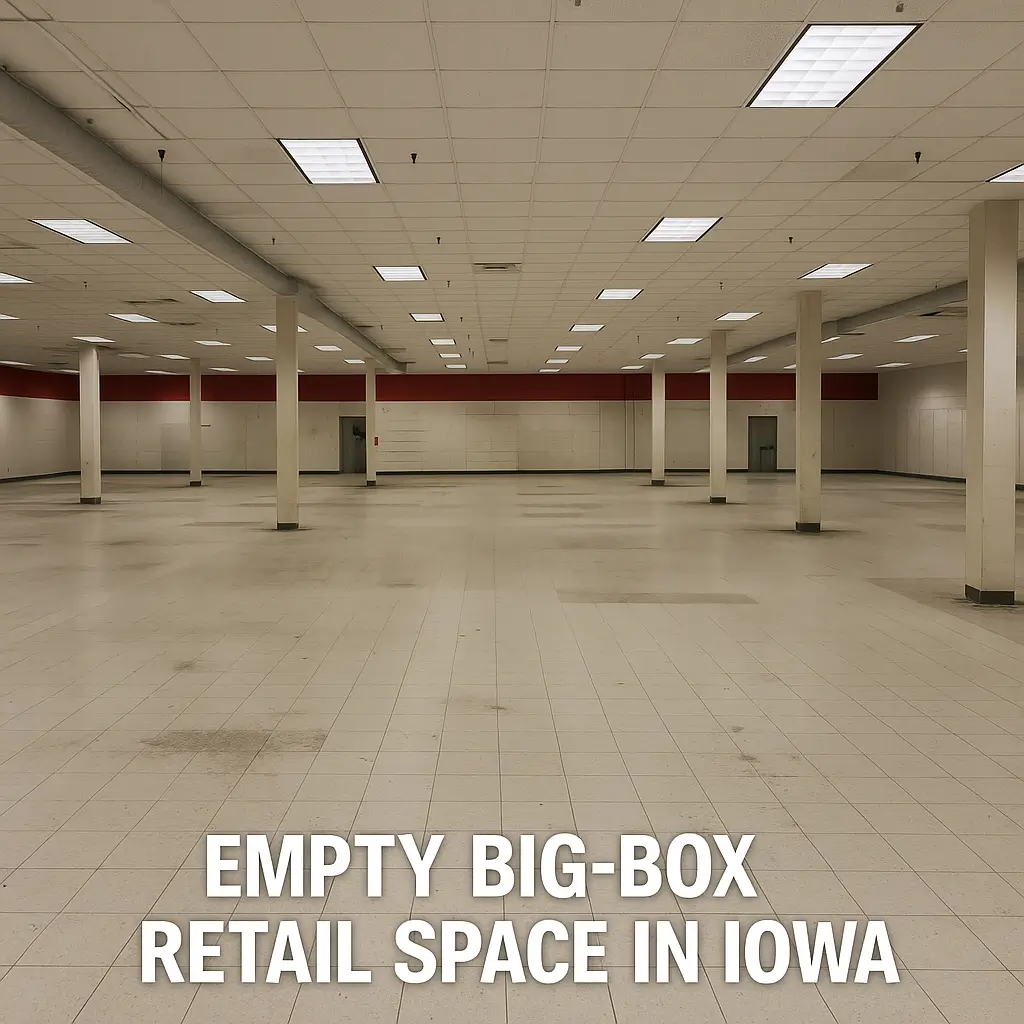
In Iowa, the retail property atmosphere is evolving rapidly, especially in the aftermath of the global pandemic. Empty big-box retail spaces are becoming more common as consumer habits and traditional retail models face challenges. For Iowa property owners and landlords, it's crucial to grasp these shifts to keep revenue flowing and properties occupied. This article dives into the current hurdles, effective property management strategies, and the latest trends redefining the industry. Whether you're managing investment properties or seeking advice on landlord services in Iowa, adapting to these changes is key to success.
Challenges for Landlords
Landlords in Iowa's commercial real estate market are experiencing major shifts, with traditional retail tenants moving out, leaving large vacancies. The financial strain of empty retail spaces can be significant. Additionally, lease agreements can be quite restrictive, often specifying the precise uses of retail spaces, which limits how owners can adapt them. Landlords need to fully understand these limitations to creatively repurpose their properties and meet current market demands.
Strategies for Successful Property Management
To tackle these challenges, landlords should rethink their property management strategies. A promising option is converting large retail properties into alternative venues like health care facilities, entertainment spots, or logistics hubs. These sectors are growing steadily and provide stable tenancy opportunities. Another strategy is to break down large spaces into smaller units to attract smaller businesses, particularly those with strong online and offline sales capabilities. This approach not only expands the range of potential tenants but also aligns with the changing retail environment where compact, flexible spaces are in demand.

Emerging Market Trends
One key trend in Iowa's commercial real estate sector is the demand for smaller retail spaces that effectively function as omnichannel fulfillment centers. This adaptation satisfies growing consumer expectations for rapid and convenient access to products via multiple purchasing channels. Adaptive reuse of commercial properties is another trend, allowing landlords to reconfigure spaces to fit current market conditions. These innovations offer effective strategies for landlords aiming to rejuvenate their properties and attract a varied, sustainable mix of tenants.
Conclusion
The retail property market in Iowa is at a turning point. Landlords who adopt creative and flexible property management techniques can overcome challenges like tenant turnover and better utilize space. For personalized advice suited to Iowa's distinct commercial real estate landscape, think about partnering with Apex Property Management. With our expert team, you'll find innovative property management solutions that ensure ongoing success in this ever-changing environment.
FAQs
Q: What are alternative uses for large retail spaces in Iowa?
A: In Iowa, large retail spaces can be transformed into health care facilities, entertainment venues, logistics hubs, or divided into smaller retail spaces. These changes match current market trends and tenant needs.
Q: How can landlords work around lease restrictions when repurposing retail spaces?
A: Landlords can address lease restrictions by negotiating for more flexible use clauses or crafting agreements that allow for modern, innovative uses aligned with market shifts.
Q: What is an omnichannel fulfillment center, and why is it increasingly popular?
A: An omnichannel fulfillment center supports the seamless integration of online and offline shopping channels, catering to the modern consumer's desire for convenience. The rise in e-commerce and demand for diverse shopping options enhance its popularity.
Q: How does Apex Property Management assist landlords in Iowa?
A: Apex Property Management provides experienced property management services, including strategic advice for navigating market changes, tenant placement, lease management, and innovative solutions to maximize property usage and revenue.
Q: What should landlords keep in mind when subdividing large retail spaces?
A: When subdividing large spaces, landlords should consider market demand, types of potential tenants, zoning laws, and associated costs to ensure they meet the needs of the emerging retail and service industries.