
Navigating Cedar Rapids Property Management: Essential Insights for Landlords

Navigating Cedar Rapids Property Management: Essential Insights for Landlords
Introduction
If you're managing rental properties in Cedar Rapids, Iowa, staying on top of local regulations and housing standards is essential. Whether you're a novice or an experienced property owner, understanding these aspects is crucial for compliance and effective tenant management. To successfully manage a rental property in Iowa, it’s important to adhere to guidelines such as Housing Quality Standards (HQS) inspections and the Section 8 Housing Choice Voucher Program requirements. This guide offers valuable insights to help landlords in Cedar Rapids keep their properties compliant and thriving.
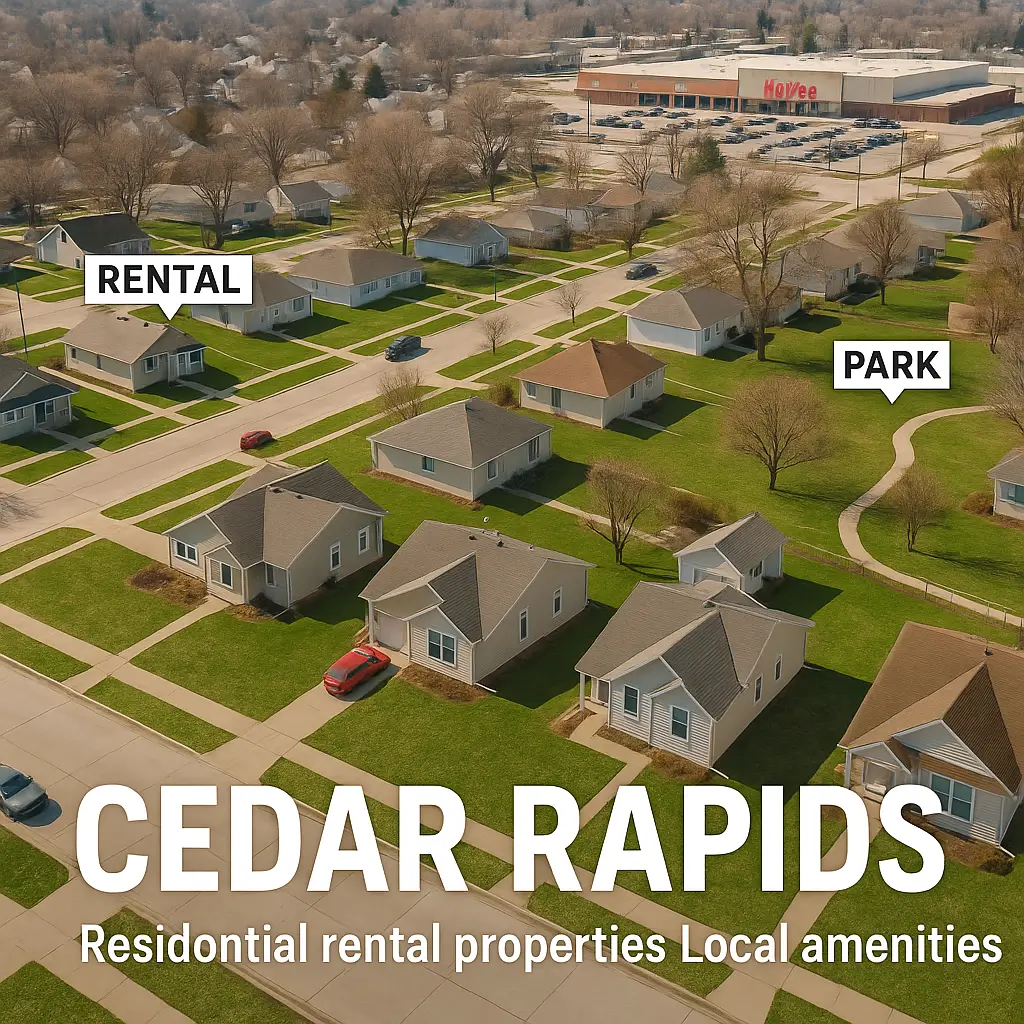
Understanding Cedar Rapids Housing Compliance
Complying with Cedar Rapids housing regulations is a key part of successful property management in Iowa.
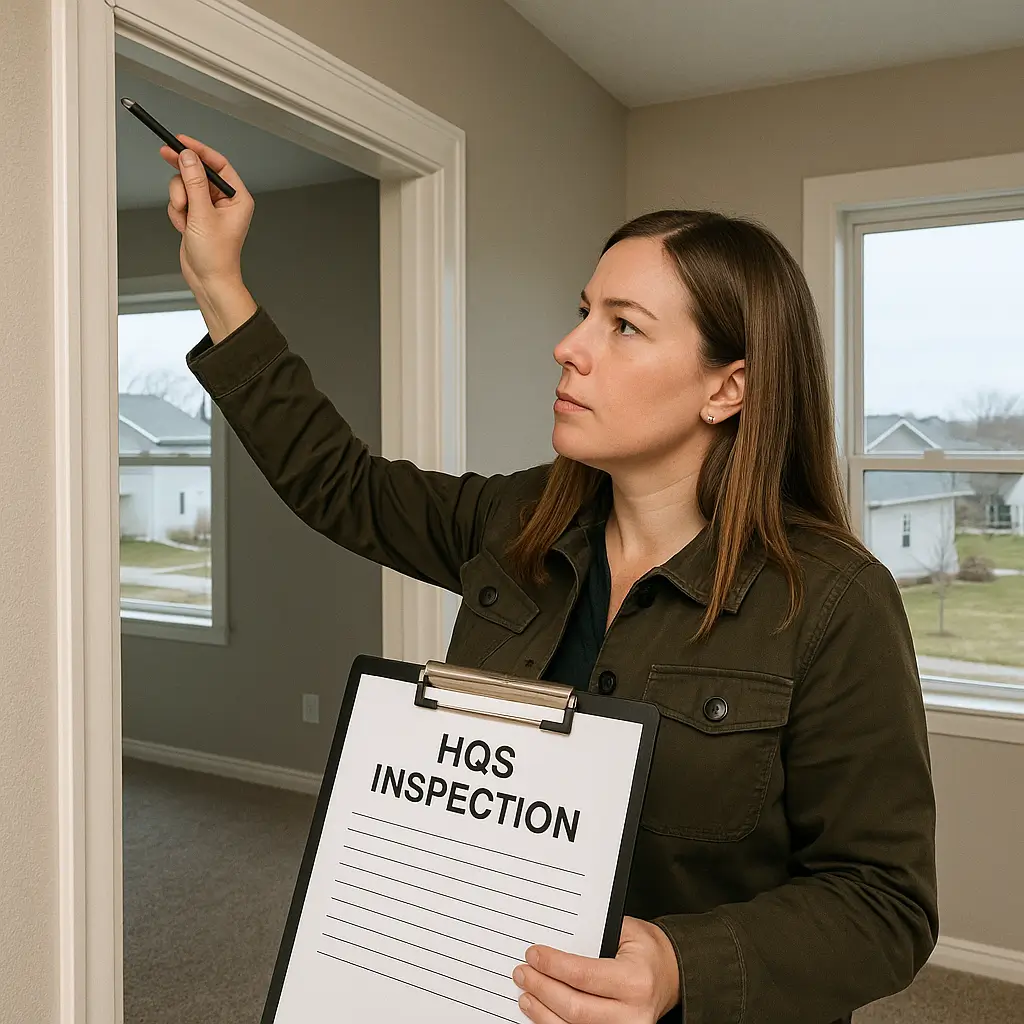
Importance of HQS Inspections
Housing Quality Standards (HQS) inspections ensure your rentals meet essential safety and health requirements for tenants' well-being. These inspections assess things like structural integrity, electrical wiring, heating systems, and sanitation. Landlords must pass these inspections to participate in programs like Section 8.
- Schedule regular maintenance checks to ensure all systems adhere to HQS.
- Quickly address any repair issues to avoid inspection failures.
- Maintain detailed records of maintenance and repairs to make the inspection process easier.
Navigating Rental Certifications and Compliance
Landlords in Cedar Rapids need to keep up-to-date with rental certifications and property compliance to legally operate. This means complying with local rules, including applying for rental licenses timely and following zoning regulations.
- Subscribe to updates from local housing authorities to stay informed on compliance changes.
- Consider engaging a professional Iowa property management company, like Apex Property Management, to help with certifications and compliance tasks.
The Section 8 Housing Choice Voucher Program
Tenant Approval Process
The Section 8 program provides rental assistance to low-income families, and understanding the tenant approval process is vital for landlords who participate.
- Perform thorough tenant screening in Iowa while adhering to Section 8 guidelines.
- Get familiar with the program's paperwork and deadlines to ensure smooth tenant placement services in Iowa.
Lease and Contractual Obligations
For landlords involved with Section 8, it's crucial to follow specific lease and contractual obligations, including property standards and rent limits.
- Keep accurate records of all lease agreements and any changes.
- Inform tenants and the housing authority promptly about planned rent increases, ensuring they comply with local regulations.
Best Practices for Landlords
Handling Inspections and Repairs
Regular inspections and timely repairs not only ensure compliance, but also help maintain positive tenant relations. Consider these strategies:
- Set up a routine property inspection schedule to identify and address potential issues in advance.
- Communicate clearly with tenants about their roles during inspections.

Overcoming Common Tenant Issues
Knowing how to handle common problems, such as utility shut-offs or lease violations, equips landlords to manage them effectively.
- Have protocols ready for emergencies like utility failures, including contacts for local service providers.
- Educate tenants about their responsibilities and the consequences of breaching lease terms. Proactive communication on these points can help avoid disputes.
Conclusion & Next Steps
Effectively managing your rental property in Cedar Rapids requires being diligent and knowledgeable about local housing laws. Engaging professional property management services, like Apex Property Management, can simplify this process by ensuring compliance and relieving you of daily management tasks. For expert guidance and tailored support, consider consulting a reputable Iowa property management company. Let our experienced team take care of the complexities of rental property management so you can enjoy the benefits of owning rental property in Cedar Rapids.
FAQs
Q: What are HQS inspections and why are they important for landlords in Cedar Rapids?
A: HQS (Housing Quality Standards) inspections are mandatory checks that ensure rental properties meet specific safety and livability standards. These inspections are essential for landlords in housing assistance programs like Section 8, ensuring properties provide safe and comfortable living conditions for tenants.
Q: How can landlords ensure compliance with Section 8 requirements in Cedar Rapids?
A: Landlords can stay compliant by keeping updated on the latest Section 8 program guidelines, maintaining property standards, and fulfilling all lease and contractual obligations. Working with a professional property management company like Apex Property Management can help simplify this process.
Q: What should landlords do if a tenant violates their lease in Cedar Rapids?
A: Landlords should first talk to the tenant to understand the situation and review the lease agreement to clarify responsibilities and consequences. While it’s best to resolve disputes amicably, landlords should be prepared to follow legal procedures if necessary.
Q: How often should rental properties be inspected in Cedar Rapids?
A: It’s advisable to conduct a comprehensive inspection at least once a year, or as required by local regulations and housing program guidelines. Regular inspections help ensure property standards are maintained and build tenant trust.
Q: What are some benefits of hiring a property management company in Iowa?
A: Enlisting a professional property management company offers many advantages, including expertise in handling compliance issues, efficient tenant placement, regular property inspections, and coordinated emergency maintenance. This allows landlords to focus on their investment without the stress of daily management tasks.