
Mastering the Management of Rental Housing in Cedar Rapids, Iowa

Mastering the Management of Rental Housing in Cedar Rapids, Iowa
Introduction
Managing rental properties in Cedar Rapids, Iowa, can be incredibly rewarding, but it also presents unique challenges, especially when it comes to housing inspections and the management process. To succeed, property owners must understand the complexities of rental housing inspections and adhere to local regulations. By doing so, landlords can prioritize safety and tenant satisfaction, leading to a profitable investment. This article explores key aspects of rental property management in Cedar Rapids and highlights innovative housing programs in Linn County that foster positive landlord-tenant relationships.
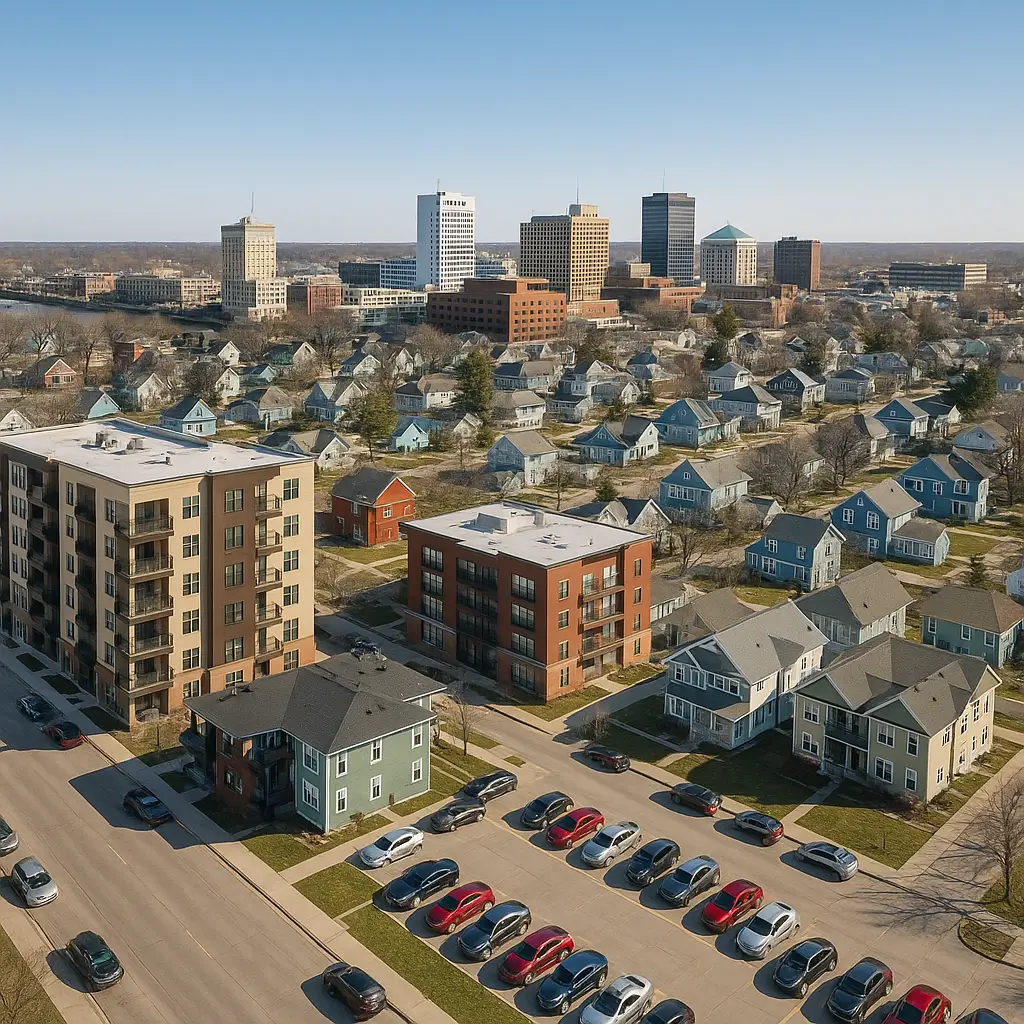
Cedar Rapids Rental Housing Inspections
Cedar Rapids follows the International Property Maintenance Code, adapted locally to uphold health and safety standards in rental properties. Property owners need to be well-versed in this code to guarantee their properties meet these benchmarks. It's important to know about the annual rental registration fees, which cover landlord business permits and any fees related to rescheduling inspections. These fees support the city's compliance initiatives and contribute to community safety. By staying informed and compliant, landlords avoid fines and ensure their properties remain safe and inviting for tenants.
Innovative Housing Programs in Linn County
The Landlord & Tenant Success Initiative in Linn County exemplifies proactive regional approaches to housing. This program surpasses its housing goals by offering educational resources and incentives to both landlords and tenants. Participating landlords can access benefits like financial incentives and extensive tenant management support. The program aims to nurture strong landlord-tenant relationships, lower vacancy rates, and guarantee adherence to housing standards. Landlords taking part in such programs often experience improved management results and increased community involvement.
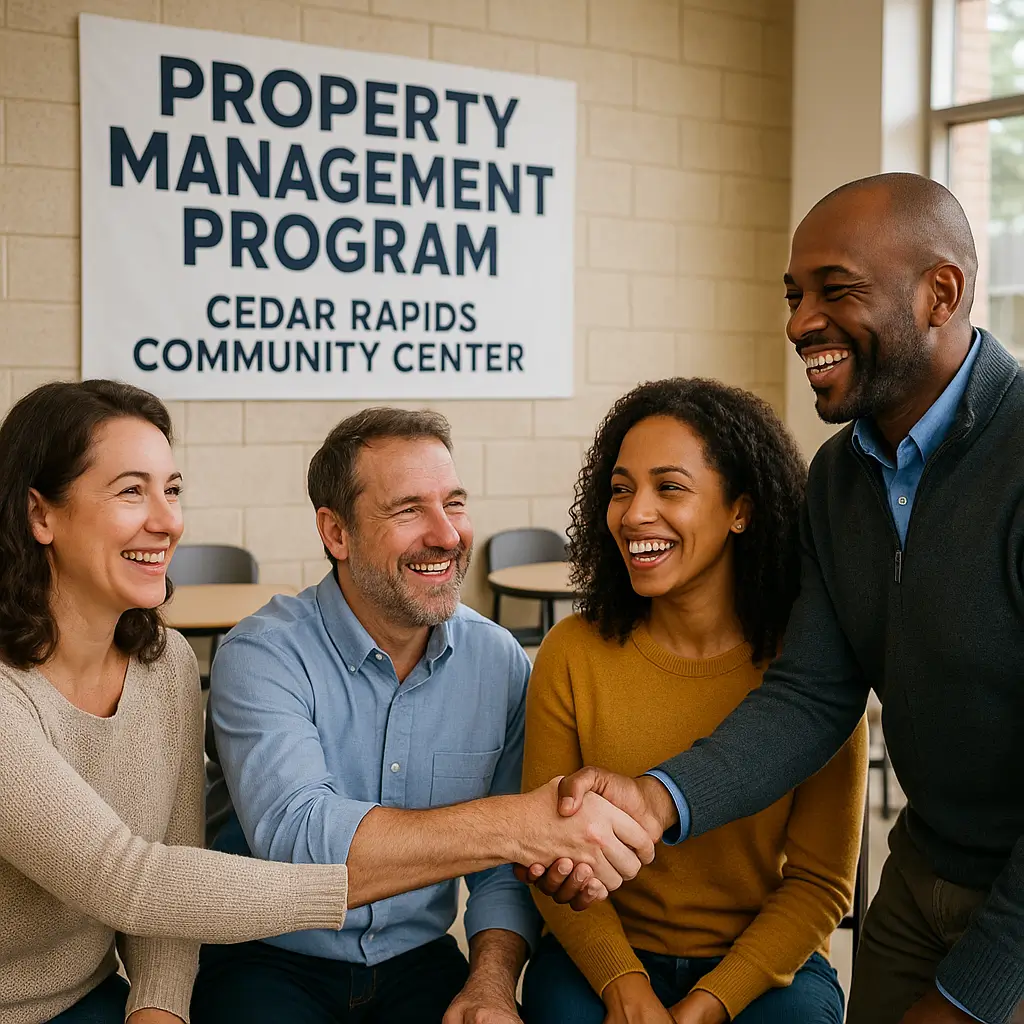
Essential Property Management Practices
Successful property management in Iowa goes beyond compliance. Important practices include thorough tenant screening, routine property inspections, and strict compliance with local laws. Effective screening helps identify dependable tenants, minimizing potential conflicts or legal challenges. Regular inspections are key to maintaining property quality and tenant satisfaction, enabling early detection of maintenance issues to prevent costly repairs and boost tenant trust. Adherence to local laws not only fulfills legal responsibilities but also safeguards property investments and minimizes liability risks.
Call to Action
Navigating property management and local regulations can be complex. To ensure compliance and tenant satisfaction, consider partnering with a professional property management company in Iowa. This partnership provides access to tailored resources and support, ensuring the long-term success of your rental properties.
FAQs
Q: What are the key components of rental housing inspections in Cedar Rapids?
A: In Cedar Rapids, rental housing inspections align with the International Property Maintenance Code, incorporating local amendments. They focus on health and safety standards, emphasizing structural integrity, sanitation, and fire protection.
Q: How does the Landlord & Tenant Success Initiative benefit landlords in Linn County?
A: This initiative offers landlords educational resources and financial incentives, promoting positive landlord-tenant relationships, reducing vacancies, and ensuring housing standard compliance.
Q: What best practices should landlords in Cedar Rapids follow for property compliance?
A: Landlords should prioritize comprehensive tenant screening, conduct regular property inspections, and adhere to local laws to maintain compliance, enhance tenant satisfaction, and protect their investments.
Q: Why is professional property management important for landlords in Iowa?
A: Professional property management offers landlords expertise, resources, and support to navigate complex local regulations, boost tenant retention, and ensure seamless property compliance.
Q: What fees are associated with rental property management in Cedar Rapids?
A: Landlords in Cedar Rapids are required to pay annual rental registration fees, including costs for landlord business permits and potential inspection rescheduling fees to ensure property compliance.