
Navigating Iowa's Landlord and Tenant Laws: A Guide for Property Owners and Renters

Navigating Iowa's Landlord and Tenant Laws: A Guide for Property Owners and Renters
Introduction
Grasping the essentials of Iowa's landlord and tenant laws is vital for maintaining smooth and legal rental relationships. Whether you’re a landlord managing properties or a tenant learning about your rights, this understanding helps prevent disputes and ensures peaceful interactions. In this article, we’ll delve into key components of Iowa’s Residential Landlord and Tenant Law, such as rental agreements, rights and responsibilities, and the eviction process. Whether you’re a seasoned landlord or a first-time renter, the insights here are invaluable for anyone involved in Iowa’s rental housing market.
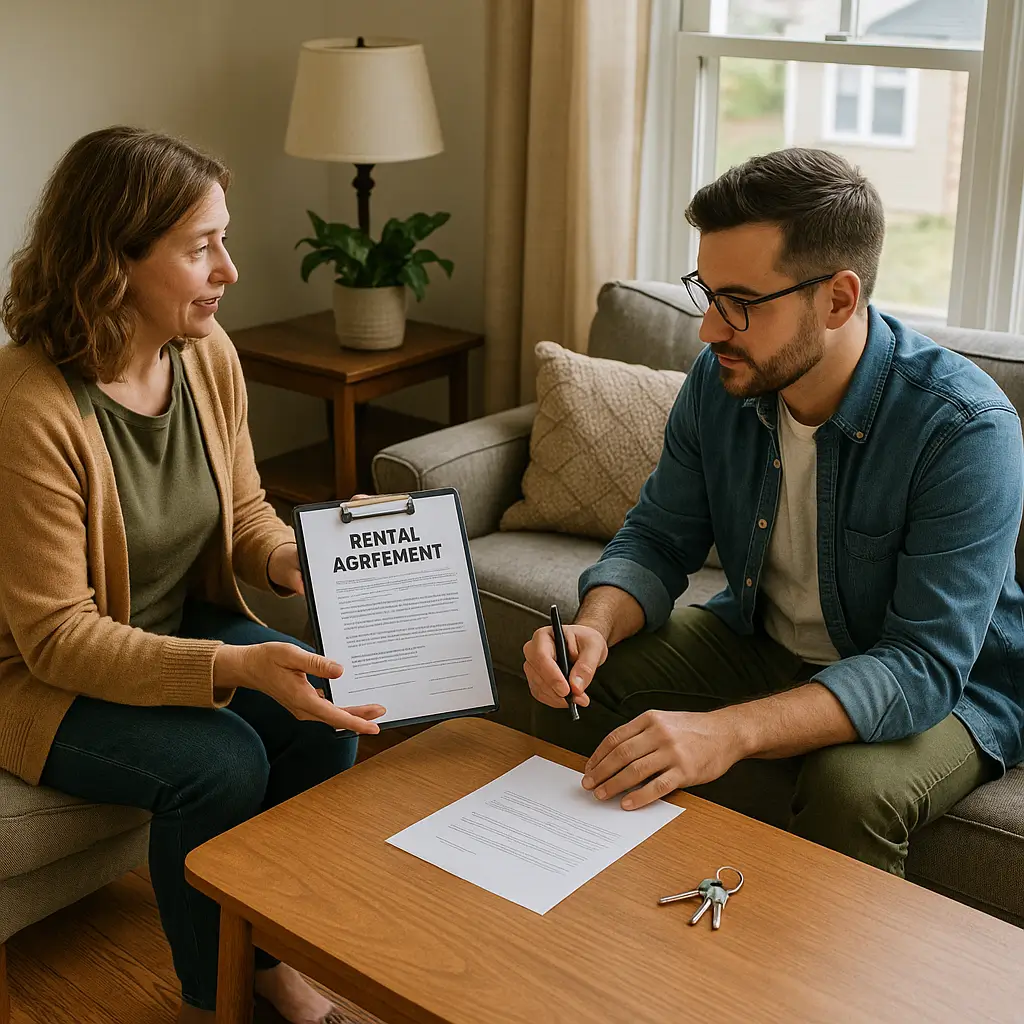
Understanding Rental Agreements in Iowa
When dealing with rental agreements in Iowa, understanding the legal details that set different lease types apart is crucial:
- Fixed-term vs. Month-to-Month Leases: Fixed-term leases provide stability for both landlords and tenants by specifying a set period—usually six months to a year. On the other hand, month-to-month leases offer flexibility, as they can often be renegotiated more frequently to suit short-term needs.
- Prohibited Provisions: Iowa law does not allow certain clauses in rental agreements. For instance, agreements that waive tenant rights, like the right to undertake legal action, are invalid. Familiarizing yourself with these restrictions is key to drafting valid leases.

Landlord and Tenant Rights and Responsibilities
Understanding respective rights and responsibilities is essential for both parties involved in a rental agreement:
- Landlord Responsibilities: Iowa landlords must ensure that their rental properties are safe and habitable, addressing necessary repairs including plumbing, heating, and structural issues. Moreover, landlords must return security deposits within 30 days of the lease’s end, unless there's a legitimate reason for deductions.
- Tenant Responsibilities: Tenants must maintain the property in good condition, follow agreed-upon terms, and pay rent punctually. They’re also entitled to report safety violations or needed repairs under Iowa Code Chapter 562A.
Staying compliant is crucial to avoid legal issues. For professional assistance, Apex Property Management provides full-service property management solutions that ensure compliance with these responsibilities.
Navigating Evictions and Legal Protections
Dealing with evictions can be daunting and needs to be handled correctly:
- Legal Eviction Procedures: Careful legal steps must be followed for evictions, starting with a written notice and potentially moving to a formal court eviction if issues aren’t resolved. Landlords cannot evict tenants without a court’s decision.
- Tenant Protections: Tenants have robust protections, including the ability to contest unjust evictions, inappropriate fees, and discriminatory practices. Organizations like the Iowa Civil Rights Commission offer assistance in these cases.
Understanding these legal aspects is vital for safeguarding tenant rights and ensuring landlords manage their properties lawfully. Using professional property management services in Iowa can help manage these challenges more effectively.
Conclusion
Comprehending Iowa’s landlord and tenant regulations is essential for anyone in the rental market. From drafting legal rental agreements to resolving disputes, being well-informed ensures that everyone fulfills their roles and maintains a harmonious rental environment. If you’re a property owner looking for consistent compliance to focus more on your investments, Apex Property Management offers expert guidance through its tenant placement services. With their support, landlords can manage properties efficiently and effortlessly.
FAQs
Q: What are the requirements for a legal rental agreement in Iowa?
A: In Iowa, a rental agreement must detail terms like the rent amount, payment schedule, conditions of the security deposit, and shared responsibilities. Any provision that diminishes tenant rights is not allowed.
Q: How long do Iowa landlords have to return a security deposit?
A: Under Iowa landlord laws, landlords must return the security deposit within 30 days after lease termination, assuming all rent is paid and no damages are present.
Q: What steps should a landlord take to legally evict a tenant in Iowa?
A: To legally evict a tenant, a landlord must first provide a written notice explaining the reason for eviction and allow time for the tenant to correct the issue. If unresolved, the landlord must achieve a court eviction order.
Q: Can a tenant challenge an eviction notice in Iowa?
A: Yes, if a tenant feels an eviction is unwarranted, they can contest it by responding to the court notice and presenting evidence of compliance, potentially halting the eviction process.
Q: What recourse do tenants have against discriminatory practices by landlords?
A: Tenants who encounter discrimination can file a complaint with the Iowa Civil Rights Commission, which investigates and enforces fair housing laws.
Understanding Iowa's rental laws empowers both landlords and tenants to foster a secure and cooperative rental experience. For tailored advice and property management support, reach out to Apex Property Management, your trusted partner in Iowa.