
Navigating Recent Cedar Rapids Property Management Updates

Navigating Recent Cedar Rapids Property Management Updates
Introduction
The latest Cedar Rapids City Council meeting highlighted several crucial updates that could shape property management across Iowa. Discussed were topics like zoning modifications, development agreements, and public housing policy updates, providing essential insights for anyone involved in the property sector. As an owner or investor engaged in property management in Iowa, being informed about these changes can be vital. This article simplifies the main takeaways for landlords, tenants, and investors, helping you better navigate Cedar Rapids' evolving real estate landscape.

Understanding Zoning Changes
The recent zoning changes discussed by the council have potential implications for property values and investor decisions in Cedar Rapids. For anyone involved in property management Iowa-wide, these changes are significant. For instance, transforming a residential zone into a commercial one might elevate property values but could also increase competition and introduce new regulations. Staying informed and consulting with property management experts can help property owners optimize their investments amidst these changes.
Development Agreements and Investment Prospects
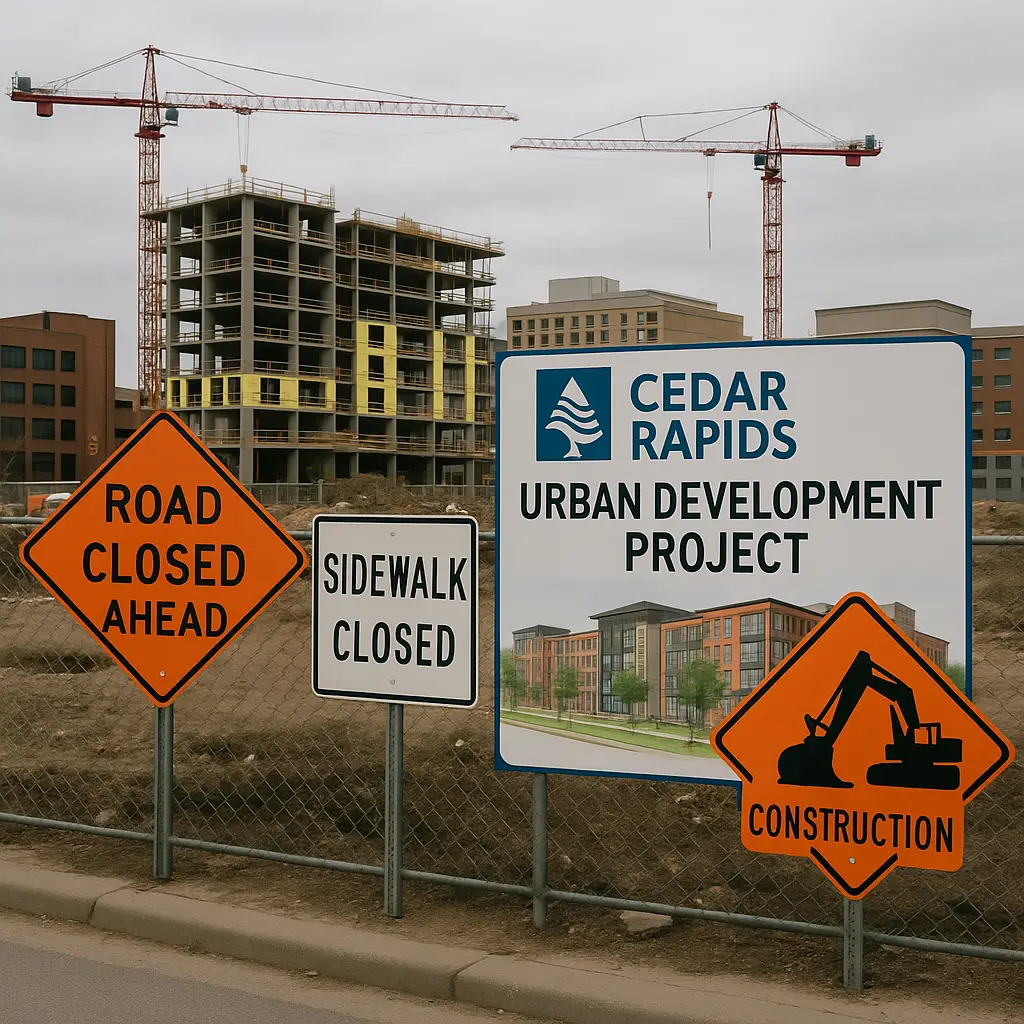
New development agreements introduced during the meeting suggest promising opportunities for real estate stakeholders. These agreements play a vital role in shaping urban projects, which can affect the local property market. If you're an investor considering property in Iowa, understanding these agreements is crucial when planning your projects. By reviewing their terms, investors can make informed decisions that align with their growth objectives.
Changes in the Public Housing Voucher Program
Changes to the Section 8 Housing Choice Voucher Program were among the meeting’s significant points. This directly impacts both landlords and tenants in Cedar Rapids. For landlords who participate in this program, adapting to new guidelines that dictate rent ceilings and eligibility standards is necessary. Compliance with these changes not only ensures steady rental income but also improves tenant placement services many Iowa landlords benefit from.
The Impact of Infrastructure and Public Funding
The council also highlighted infrastructure development and public funding, emphasizing their influence on property management strategies. When funding is allocated for urban infrastructure projects, it can enhance neighborhood attractiveness and accessibility, consequently increasing property values. For landlords and property managers, aligning property management strategies with these improvements presents opportunities for rent adjustments and enhanced property offerings.
Conclusion
Insights from the Cedar Rapids City Council meeting illuminate how dynamic property management in Iowa can be. Whether it’s addressing zoning changes or adjusting to public housing amendments, adapting is key. For expert advice and professional guidance in navigating these changes, consider reaching out to Apex Property Management. Their expertise can help you stay competitive in this ever-evolving market.
FAQs
Q: What are the recent zoning changes in Cedar Rapids and their impact?
A: Recent zoning changes can alter property regulations, affecting both values and investment potential. Understanding these implications is crucial for refining property management strategies.
Q: How do the amendments to the Section 8 Housing Voucher Program affect landlords?
A: These amendments could adjust rent ceilings and tenant qualifications, impacting agreements and income. Landlords need to update practices for compliance and optimal rental operations.
Q: What opportunities exist for investors in new Cedar Rapids development agreements?
A: These agreements define urban projects, offering insights that help investors align strategies with prospective market trends.
Q: In what way does public infrastructure funding influence property management in Cedar Rapids?
A: Improved infrastructure and neighborhood amenities driven by public funding can boost property values, leading to opportunities for rent adjustments and enhanced property appeal.
Q: How can Apex Property Management assist with navigating these changes?
A: Apex Property Management offers expert assistance and customized services, guiding property owners and investors through changes in zoning, development agreements, and housing policies for strategic management success.