
10 Proven Strategies to Help Iowa Landlords Reduce Tenant Turnover

10 Proven Strategies to Help Iowa Landlords Reduce Tenant Turnover
Introduction
Tenant turnover isn’t just a background task in property management—it’s a significant event that can deeply affect a landlord's finances. When tenants leave, landlords might face costs ranging from $1,000 to $10,000, depending on repairs needed and how long the property stays vacant. For landlords in Iowa, keeping these costs in check is vital for maintaining steady occupancy and a reliable income from rentals. This article outlines practical strategies to minimize tenant turnover, emphasizing the advantages of proactive property management and the benefits of seeking professional help.
Understanding Tenant Turnover
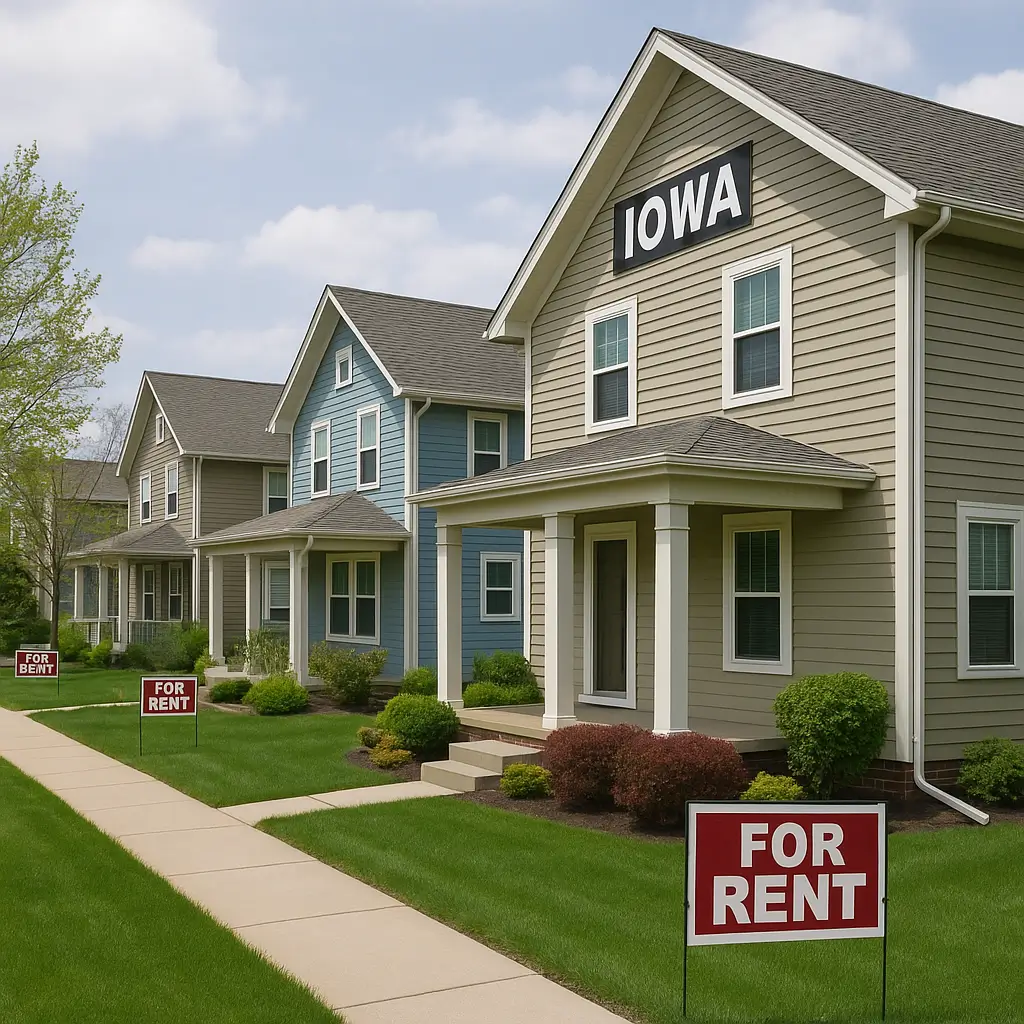
Tenant turnover in Iowa involves tenants vacating a rental property and the process of bringing in new occupants. Though it’s an unavoidable aspect of managing rental properties, identifying the causes can help landlords take preventative action. Typical reasons for turnover include dissatisfaction with the property, rent increases that tenants can’t afford, and poor communication with landlords. The financial impact includes not only losing rental income during vacancies but also paying for cleaning, repairs, and marketing to attract new tenants.
Strategies to Retain Tenants
- Regular Maintenance and Upgrades
Keeping up with regular maintenance and timely upgrades is one of the best ways to reduce tenant turnover. Taking care of repairs promptly stops small problems from becoming serious issues, which keeps tenants satisfied. Consider appealing upgrades like modern appliances or energy-efficient windows. These not only make your property more attractive but can also lower tenants' utility bills.

Offering Flexible Lease Terms
Providing options like short-term lease extensions can help keep tenants who may not want to commit to a long-term lease due to temporary circumstances. Flexible leases can be especially appealing in Iowa’s changing rental market, encouraging tenants to stay rather than moving to find more suitable options.Balancing Rent Increases with Market Trends
Increasing rent strategically is essential for maintaining profitability without driving tenants away. By studying local Iowa market trends, you can ensure your rental prices remain competitive and appealing, promoting long-term tenant retention.Building Tenant Relationships
Building solid relationships with tenants can significantly decrease turnover rates. Be quick to respond to maintenance requests and ensure clear, consistent communication. Regular check-ins can help you address and solve issues early, showing your commitment to tenant satisfaction.
Leveraging Technology for Tenant Retention
Integrating property management technology, commonly known as proptech, can greatly enhance tenant satisfaction and cut down on turnover. Tools that offer online rent payment options, maintenance request systems, and streamlined communication can simplify day-to-day operations and improve tenant experiences. Things like automated reminders and easy access to lease documents not only simplify interactions but also promote a professional and efficient management style.
Conclusion
Reducing tenant turnover is achievable with effective strategies. By focusing on regular maintenance, flexible leasing options, and using technology, Iowa landlords can significantly enhance tenant retention and lower associated costs. Professional management services, like those from Apex Property Management, bring the expertise and resources necessary to implement these strategies effectively. Rely on professionals to manage your rental properties efficiently, allowing you to concentrate on expanding your real estate investments.
FAQs
Q: What is tenant turnover and why is it costly for landlords?
A: Tenant turnover happens when a tenant vacates a rental property and a new occupant is needed. It’s costly because of lost rental income during vacancies and expenses like repairs, cleaning, and finding new tenants.
Q: How can Iowa landlords effectively reduce tenant turnover?
A: Reducing turnover can be achieved through strategies like regular property maintenance, offering flexible lease terms, and using proptech for better communication and service. Being aware of local market trends to manage rent hikes is also beneficial.
Q: What role does technology play in tenant retention?
A: Technology, or proptech, supports tenant retention by offering efficient management solutions through online systems for rent payments, maintenance requests, and communication, improving tenant satisfaction and management efficiency.
Q: How can professional property management services help in reducing tenant turnover?
A: Professional property management offers expertise in maintenance, fostering tenant relations, and applying effective management strategies, ensuring properties meet tenant needs and minimizing turnover.
Q: Why is it important to balance rent increases with market trends?
A: It's vital to align rent increases with market trends so rental rates stay competitive and reasonable, which helps retain tenants who might otherwise seek more affordable options.